

Picture this: someone leaves you a scathing one-star Google review. Maybe it’s fair. Maybe it’s wildly exaggerated. Either way, it’s sitting there on your business profile, visible to every potential customer who searches for you.
What you do next matters more than the review itself.
Most business owners either ignore it, fire back defensively, or write some robotic corporate apology that nobody believes. But here’s what the data actually shows — how you respond to Google reviews has a direct impact on whether new customers choose you or scroll past you. A study by Harvard Business Review found that hotels which responded to reviews saw a measurable increase in ratings over time. Not because they argued their way to five stars. Because they showed up.
This is a guide to doing it right.
Why Angry Customers Are Actually an Opportunity in Disguise
This is the part that surprises most people: a complaint, handled well, can build more trust than a glowing compliment ever could.
Think about it from a buyer’s perspective. When you’re checking out a new restaurant or hiring a plumber, you don’t just read the five-star reviews. You scroll straight to the one-stars to see what went wrong — and more importantly, how the business reacted. Did they get defensive? Did they genuinely apologise? Did they fix it?
An angry customer who leaves a review is still engaging with your business. They cared enough to say something. Contrast that with the silent majority who had a bad experience and simply never came back.
When you reply to reviews — especially the difficult ones — with warmth and accountability, you’re not just talking to that one unhappy person. You’re signalling to every future reader: this is a business that gives a damn.
The Psychology Behind a Good Google Review Response
There’s a reason some replies feel genuine and others feel like a PR exercise. Customers are remarkably good at detecting the difference.
The worst responses share three traits: they’re vague, they’re defensive, and they’re clearly copied from a template. You’ve seen them. “We’re sorry to hear about your experience. Customer satisfaction is our top priority. Please contact us at…” It says nothing. It reassures nobody.
A good response does three specific things:
Acknowledge — name the actual problem, not a watered-down version of it. “I’m sorry your delivery arrived two days late” lands very differently from “I’m sorry if you felt inconvenienced.”
Explain (briefly) — not to make excuses, but to give context. People respond well to honesty. “We had a staffing issue that week and it affected our turnaround times” is human. It’s real.
Offer a path forward — invite the person to reconnect. Give them a direct way to reach you. This shows you’re not just managing optics; you actually want to make it right.
That’s the framework. Simple in theory. Harder in practice — especially when you’re reading a review that feels unfair, personal, or just plain wrong.
The Trap Most Business Owners Fall Into
Here’s the truth most business owners won’t tell you: responding to reviews feels urgent in the moment and like a chore every other time. You get a notification, you mean to reply, life gets in the way, and suddenly it’s three weeks later.
This inconsistency is costly. Google’s algorithm factors in review engagement. Businesses that regularly reply to reviews — good and bad — tend to rank better in local search results. This isn’t speculation; it’s documented in Google’s own guidance on managing your Business Profile.
And the optics matter just as much. A business with 47 reviews and zero responses reads as absent. A business with 47 reviews and consistent, thoughtful replies reads as attentive.
The fix isn’t working harder. It’s working smarter — having a process so that responding never falls through the cracks.
What a Great Reply Actually Looks Like
Let’s get specific, because vague advice isn’t useful.
For a negative review:
“Hi Sarah, thank you for taking the time to share this — I’m genuinely sorry your experience wasn’t what it should have been. You’re right that the wait time on Tuesday was longer than acceptable, and I won’t make excuses for that. We’ve since adjusted our staffing on peak days. I’d love the chance to make it up to you — please reach out directly at [email/number] and we’ll sort something out.”
Notice what that response does: it uses her name, it admits the specific problem, it explains without excusing, and it invites a real conversation.
For a positive review:
These matter too. Don’t just write “Thanks so much!” for every five-star review. Reference something specific. “So glad the birthday cake turned out exactly how you imagined it — those custom orders are our favourite to do.” It shows you actually read it. That human touch costs nothing and means everything.
How to Handle Reviews That Are Just… Wrong
Sometimes a review is factually inaccurate. The customer says you charged them twice — you didn’t. They claim you were rude — it never happened. What then?
Don’t argue publicly. Seriously. Even if you’re 100% right, a public back-and-forth looks bad for you regardless of who’s correct. Readers don’t have the context you do. They just see conflict.
Instead, respond calmly, state your version of events briefly, and invite them to resolve it offline. “We’ve checked our records and don’t have any indication of a double charge, but I’d genuinely like to look into this for you — please call us directly.”
This positions you as reasonable and solution-focused. Which you are. And that’s what future customers see.
A Smarter Way to Stay Consistent With Your Replies
Knowing what to say is one problem. Finding the time and the right words every single time is another.
If you’re managing a business — especially solo or with a small team — the mental load of drafting a fresh, personalised reply for every review is real. That’s where tools can make the difference between a business that engages and one that goes silent.
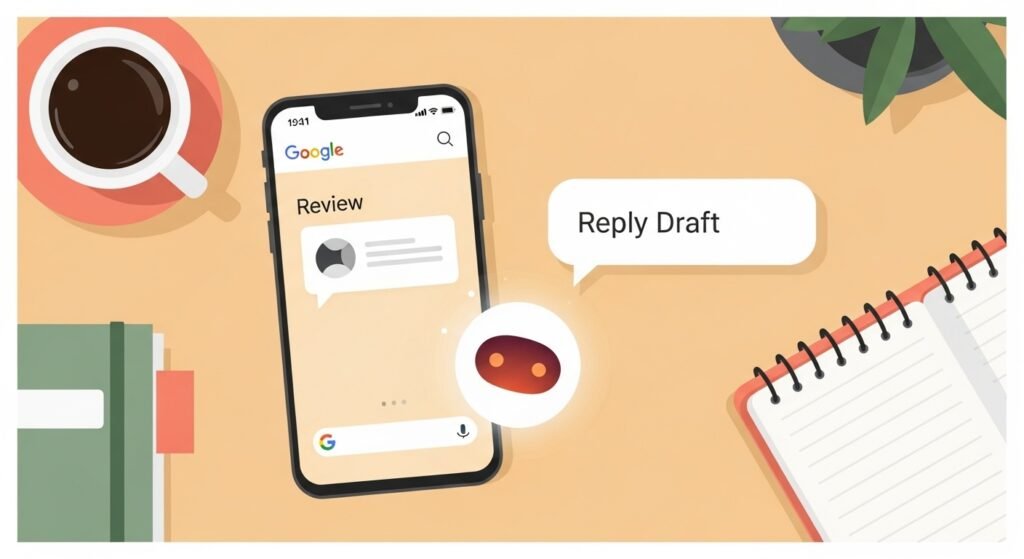
ReviewReplyGenerator.com is a free AI tool built specifically for this. You paste in the review, and it generates a human-sounding, contextually appropriate response — one you can edit, personalise, and send. It doesn’t replace your voice; it gives you a strong starting point so you’re never staring at a blank page wondering how to respond to someone who called your service “the worst experience of my life.”
It’s particularly useful for handling the emotionally charged ones, where your instinct might be to either over-apologise or get defensive. A neutral starting draft helps you respond with clarity rather than heat.
The Long Game: Building a Review Culture That Works for You
The businesses that win at Google reviews aren’t the ones with the most reviews. They’re the ones with the most engaged presence — where every reviewer, positive or negative, got a response that felt real.
That consistency compounds. A potential customer who sees 60 reviews and 58 thoughtful responses trusts you before they’ve even met you. That’s the goal.
There are a few habits worth building:
- Set a weekly review check — don’t rely on notifications. Block 20 minutes, read everything, respond to anything unanswered.
- Keep a reference folder of your best past responses — not to copy verbatim, but to remind yourself of the tone you’re aiming for.
- Ask for reviews proactively — the customers who had a great experience often need a gentle nudge. A follow-up text or email with a direct link to your Google review page works.
Google Reviews Are a Conversation, Not a Scoreboard
The shift that changes everything is thinking of your Google reviews not as ratings to be managed but as conversations to be had.
Every reply to a review is a chance to show the world who you are as a business — your values, your accountability, your care. That’s not marketing. That’s reputation. And reputation, built consistently over time, is the thing that no competitor can copy.
Start with the next review that comes in. Reply well. Do it again next time.
And if you want help crafting responses that actually sound human — not like they were generated by a tired robot at 11pm; try ReviewReplyGenerator.com for free. It takes about 30 seconds per review. That’s a small investment for the trust it builds.
Frequently Asked Questions
How should I respond to a negative Google review? Acknowledge the specific problem, briefly explain without making excuses, and invite the customer to resolve it offline. Keep your tone calm and human — never defensive. Future customers are reading your response as much as the review itself.
Does responding to Google reviews help with SEO? Yes. Google’s own documentation confirms that replying to reviews signals active engagement with your Business Profile, which can positively influence your local search ranking. Consistent responses also improve the overall impression your listing makes.
What should I say when a Google review is unfair or untrue? Respond politely, state your position briefly, and offer to resolve it privately. Don’t argue publicly — even if you’re correct, a visible dispute looks bad to potential customers. The goal is to appear reasonable, not to win an argument.
How quickly should I reply to reviews? Aim to reply within 24–48 hours where possible. Faster responses signal that you’re attentive. For negative reviews especially, a quick reply shows the customer — and everyone watching — that you take feedback seriously.
Can I ask customers to remove or change a bad Google review? You can’t force anyone to change a review, but you can invite them to reconsider. If you’ve resolved the issue, politely let them know in your reply and mention you’d be grateful if they’d update their feedback. Some customers will; many won’t. Either way, your gracious response is already visible.
What’s the best length for a Google review reply? Long enough to feel personal, short enough to stay readable. For negative reviews, 3–5 sentences is usually right. For positive ones, 2–3 sentences that reference something specific from the review is ideal.
How do I find time to reply to reviews consistently? Schedule a fixed time each week — even 15–20 minutes — to check and respond to all new reviews. Tools like ReviewReplyGenerator.com can help you draft responses quickly so consistency doesn’t depend on always finding the perfect words from scratch.
Should I respond to every Google review, even the five-star ones? Yes. Responding to positive reviews shows appreciation and keeps your profile active. It also demonstrates to future customers that real people are behind the business. Keep it brief but specific — reference something the reviewer mentioned so it doesn’t feel like a copy-paste
Ready to reply to your reviews like a professional? Try the free Review Reply Generator — paste any review and get four expertly crafted replies instantly